

If you want to really see Italy, there’s nothing quite like hopping on a train. The rail network runs fast, shows off incredible views, and connects just about everywhere, from big cities to tiny villages. Whether it's your first time heading to Italy or you keep coming back for more, getting the hang of train travel here makes your whole trip easier—and honestly, a lot more fun.
Let’s break it down. Here’s what you need to know in this Italy rail travel guide: how to book tickets, tips for staying comfortable, and a little practical advice thrown in.
Traveling through trains across Italy is a smart way. The system links big hubs, hidden corners, and even out-of-the-way spots with hardly any hassle. You skip highway traffic, forget about cramped flights, and spend most of your trip just gazing out the window at the Italian countryside. It helps that trains run on time, and most stations sit right at the center of town. You land in the heart of things—no need for rental cars or expensive taxis. In general, getting around feels simple, direct, and pretty stress-free compared to other ways of traveling.
You get a lot of freedom, too. Want to do quick day trips or string together cities back-to-back? Easy. The train schedule makes it easy to stay flexible, so you’re not stuck with a complicated web of transfers. Plenty of travelers pick the train over flights or buses any day.
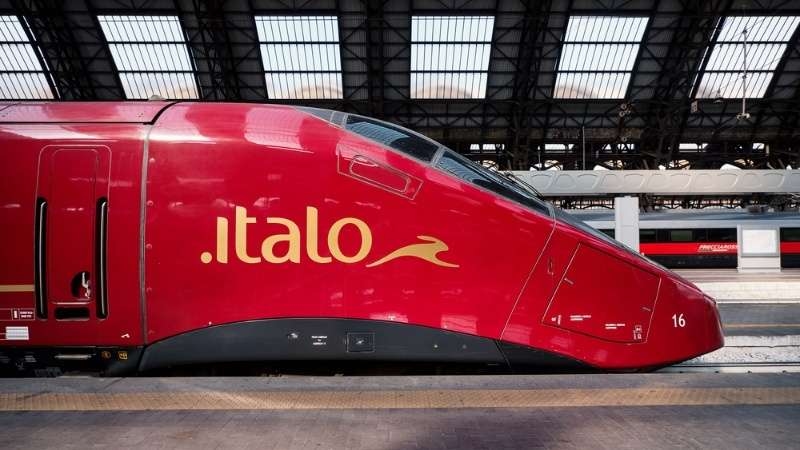
Okay, so here’s how things work. Italy’s railway is mostly run by two main companies. One does most of the high-speed and regional routes; the other handles premium high-speed trips between the big cities.
There are three main train types. High-speed trains in Italy get you between major cities in a flash. Intercity trains cover middle distances. Regional trains are perfect if you’re aiming for smaller destinations or want to explore local spots.
All this choice means you can tailor your travel: pick what suits your mood, your schedule, or your budget. If you’re connecting more than one stop, knowing the basics of the network will make everything go smoother.
If your goal is moving quickly between Italy’s big cities—Rome, Florence, Milan, and Venice—then high-speed trains in Italy are the clear winner. They’re modern and comfortable, with roomy seats, space for your bags, and onboard services you’ll actually appreciate.
The real selling point is the time you save. What would be a slog by car turns into a quick ride, and suddenly, you have more hours to wander the streets or sit at a cafe.
One heads-up: these trains stay busy, especially during holidays or summer. For the best chance of getting a good seat, book your tickets early. Because high-speed lines are utilized by both local residents and visitors, you will want to reserve your tickets in advance to guarantee that you will receive excellent seats and relieve some of the stress that can arise from making reservations at the last minute.
If you’re planning a trip around Italy, knowing the main train routes helps a ton. These lines are dependable, run often, and work perfectly for newcomers.
By using these routes, you'll have an easy way to move throughout the cities, allowing you the ability to create your trip to match your interests without having to waste hours in transit. Combining multiple routes into one to create a multi-city itinerary will allow you to see even more destinations!
Sticking to these well-known lines keeps things simple, helps you avoid confusion, and makes getting from city to city a breeze.
Getting your train tickets sorted doesn’t have to be stressful. Book online, use an app, or just grab a ticket at the station—Italy gives you options.
A little planning with these tips keeps your travels organized and stress-free.
Start your ideal vacation easily with Leisure.com and see a collection of unique vacations with simple ways to reserve each one! Use all-in-one expert travel guides and innovative opening dates so both of your trips are as smooth and stress-free as possible!
You want your train ride in Italy to be easy and comfortable. Most trains are reliable, but a few habits go a long way.
Great train travel is all about timing. Italy’s trains are usually on time, but delays happen, especially with local lines. Build in wiggle room between connections. If you’ve got to switch trains, leaving 15–20 minutes makes everything easier.
Use a travel app or a reliable schedule to keep up with changes, especially in big stations or on unfamiliar routes. It’s a simple way to dodge stress and confusion. Take a little care planning, and your traveling by rail in Italy should feel smooth from start to finish.
One of the best parts of Italian train travel? The view. Trains cut through rolling countryside, past dramatic coastlines, and sneak by old towns you’d never spot from 30,000 feet. The Tuscan routes are packed with vineyard hills, while coastal trips serve up endless blue sea right outside your window. Up north, mountains roll by, and the scenery really changes it up.
If you can, pick a daytime ride. The views are just too good to pass up, and it’s a big part of why Italian train journeys beat out planes or buses for so many people.
Traveling in Italy by train just makes sense. You zip from city to city, travel in comfort, and get some great sights along the way.
Plan ahead, lean on these tips, get to know the major routes, and you’ll end up with a trip that feels easy, fun, and memorable. Taking the train doesn’t just get you where you’re going—it’s one of the best parts of the whole journey.
The best time to go to Italy is in the spring and early fall. The weather is nice. There are not as many people. This makes it easier to see the sights and travel from one city to another. You will have a time because it is not too hot and there are not too many tourists.
Travel in Italy can be affordable if you plan ahead. If you buy your train tickets and book your hotel room early, it will cost less. You can also save money by taking trains and staying in smaller hotels. This way you can still have a time in Italy without spending too much money.
A lot of people in Italy speak English in hotels and restaurants. It is an idea to learn a few basic Italian words like "hello" and “thank you.” You can also use a translation app on your phone to help you talk to people. This will make your trip to Italy easier and more fun.
It is best to pack light when you go to Italy. Try to bring one big bag and a small backpack. This will make it easier to move from one city to another. Since you will be walking a lot and climbing stairs, you do not want to carry much stuff. This will make your trip to Italy more enjoyable and less stressful.
This content was created by AI