

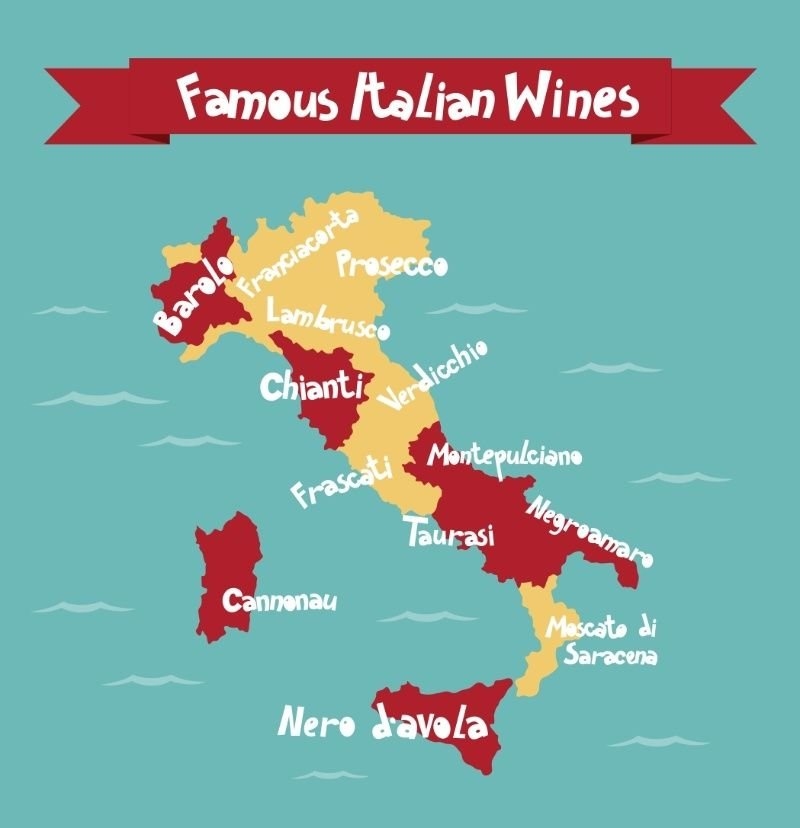
Italian wine is much more than a beverage enjoyed with your meal; it is part of its culture, family traditions, and local pride, and it has a strong connection to food. Italy has a variety of wines ranging from hearty reds in Tuscany to sparkling wines in the Veneto. This opens a world of opportunities for the novice and veteran wine explorer.
Many enjoy the taste of Italian wines without a full understanding of their origins and differences in flavor. Exploring Italian wine regions will assist you in selecting better wines, creating pairings that are perfect for food, and adding to your comfort level at wine stores and restaurants.
It is no wonder that Italy is among the top three wine producers globally. Each region in Italy has its own distinct character. Climate, varieties of grapes, and styles of winemaking create the many diverse Italian wines we have to experience. Discovering Italian wine regions can assist you in finding new favorites so that you are no longer always buying the same wines.
The Tuscan region has to be one of the most famous Italian wine regions throughout the world. Rolling hills and bright sun, with the tradition of winemaking passing down through families, have greatly assisted in building its good reputation. The regions are renowned for sangiovese grapes, which are recognized for their cherry flavor, earthy tones, and well-balanced acidity.
Most Tuscan wine tasting holidays start off in the region of Chianti; Tuscan wine works very well with pizza, pasta, grilled meats, and cheese. Chianti Classico is the best region for it because they are working to set standards.
Piedmont is the next widely recognized region in Italy associated with good-quality red wine; the region is in the north of Italy and makes Barolo and Barbaresco through the nebbiolo grape. These Italian wines are famous for their full body, the fragrance of flowers, the firmness of their tannins, and the length of time they improve with age.
Wine lovers looking for the best Italian wines to taste will discover Piedmont with a high probability of finding a superior-quality bottle of wine. Barolo is called the "King of Wines" as the taste is robust, and it is a wine that becomes better as it ages. Professional wine collectors keep these bottles of wine for many years before opening them.
The Veneto region has a very important standing in the Italian wine regions because it provides wines at varying levels of expense. It is primarily known for its Prosecco, Amarone, and Soave. Prosecco is incredibly popular due to the light, crisp flavor that will accompany any casual outing or celebration.
Amarone differs from Prosecco due to its aging process, where producers air-dry grapes prior to fermenting, giving the wine a bold flavor with traces of dark fruits, chocolate, and spices. It is also an Italian wine region sought out by wine tourists in order to take a stroll through a vineyard or see the beautiful scenery.
The Sicilian region has rapidly become a vital, exciting Italian wine region over the past two decades. It is no longer considered the producer of bulk wines, as it now provides quality wine that rivals the wines found in northern regions. The soil near Mount Etna contains volcanic properties that offer most Sicilian wines a unique mineralistic flavor.
The native red wine grape is Nero d'Avola, and it offers the Italian wine with flavors of dark fruits and spice. The most recognized white wines include grillo and carricante, which are quickly gaining popularity globally. Many experts are convinced that Sicily will be an Italian wine region to be recognized for the finest Italian wines to taste.
Choosing between an Italian red wine and a French red wine is a matter of taste preferences. Typically, French wine will have a smooth texture and will feel refined, while Italian wine is usually more robust and pairs with food better due to its increased acidity.
Many who enjoy wine feel that Italian wine can be easily consumed at home or when dining Italian-style in a less formal setting due to the readily enjoyable flavor profile that pairs well with pizza and pasta. French wine may seem slightly more complicated for the inexperienced, as it typically comes across as more formal. Both countries make an amazing red wine, and the popularity of the Italian red wine versus the French red wine is a difficult conclusion to come to.
Most individuals struggle with Italian wine labels due to the number of names and unfamiliar regions. One must try to associate wine with food already enjoyed. Chianti complements spaghetti with tomato sauce, and Pinot Grigio can pair perfectly with seafood, a light salad, or other low-calorie foods.
Learn one Italian wine region at a time rather than attempting to learn them all at once. Explore Tuscany wine tasting, Piedmont, and other regions separately. Italian wine can be a lot to remember for the wine novice, so one can ease into the exploration.
Wine tourism has continued to boom due to the ever-increasing number of people seeking genuine experiences centered around food and culture. Tuscan wine tasting is among the top regions for the seasoned traveler due to its vineyards, winemaking traditions, and meals shared within the countryside while absorbing the region's atmosphere.
Several wineries offer guided tours on which you can learn not only about the grapes used but also about the production process of wine and the food with which it pairs well. Visiting Italian wineries is also a good opportunity to enhance your knowledge and enjoy learning about the stories of each and every bottle of wine that you drink.
Explore This One: How Does the Italian Culinary Lifestyle Change Your Habits?
Appreciation for Italian wines can certainly improve with the study of Italy's regions. Instead of random selection of bottles of wine at the supermarket, wine aficionados would select wines depending on the taste, the type, and the regions he/she likes.
If it is Tuscany wine tasting that interests you, you are seeking out the best Italian wines to taste or debating Italian red wine vs. French red wine; expanding your knowledge of the Italian wine regions will further your wine journey and allow for many more memorable experiences with this Italian wine guide for beginners.
Tuscany is often a good place to start, as Chianti is quite versatile, very versatile food-wise, and quite approachable. Many of the Chiantis are readily available and can be found at varied prices, so it is possible to experience a range of wines without being overwhelmed by unfamiliar grapes or over-complicated labeling.
Italian red wines are very versatile, but some key combinations include tomato-based pasta dishes, pizza, roasts, and matured cheeses. Acidity is key for these combinations; wines with a high acid level often balance well with creamy or heavy sauces and dishes. Generally, lighter Italian reds can be very useful as "house" wines, but more substantial wines such as Barolo or Amarone can be a great partner to more substantial dishes or slow-cooked foods.
They combine balanced, pleasant flavors with food-friendly acidity, a consistent standard of quality regardless of price, and a general appeal for wine drinkers who like their wine to be easy to drink with food. The reputation of traditional Tuscan winemaking gives the wine a strong cultural identity, adding to its popularity.
Yes! There are also fine sparkling wines made with traditional methods of Champagne, known as Franciacorta, and various other styles, including frothy red sparkling wine called Lambrusco, which is refreshing and fruity.
This content was created by AI