

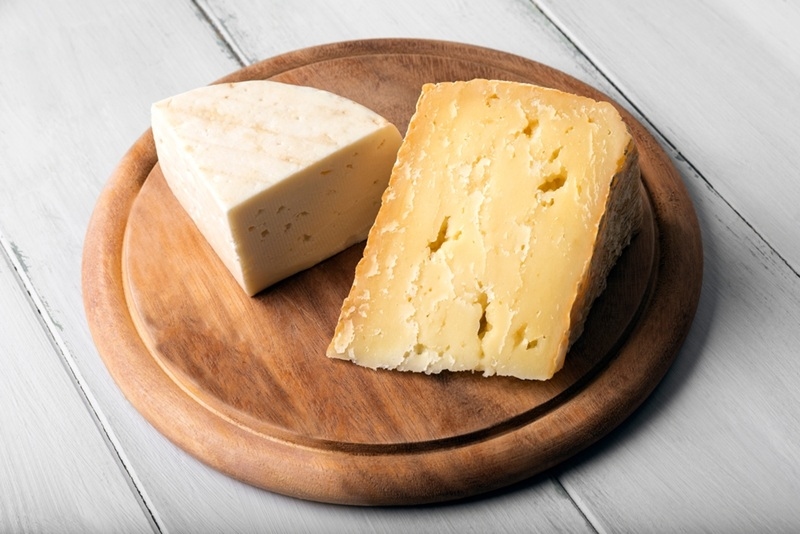
Milk from cattle and sheep in Italy is very nutrient-rich. People in Italy look for salty, creamy cheese. Various types of Italian cheese have existed since time immemorial. Cheese is produced the traditional way in Italy to ensure the milk stays fresh. These are the qualities that make the snack special. Various kinds of cheese are produced in Italy, and they have different colors.
Every part of Italy has its own special milk. The farmers take great care of their animals, so the cheese tastes like flowers or grass. What this really means is that a cheese from the north tastes different than one from the south. Famous cheeses from Italian regions often have a stamp on the side to show they are real. You might see a big wheel of cheese that is harder than a rock or a small bowl of cheese that is soft like a cloud.
Soft cheese is often very fresh and needs to be eaten quickly.
Traditional cheesemaking in Italy usually starts with warm milk in a big pot. The makers stir it with a wooden spoon until it gets lumpy. These soft types are great for snacks.
Some cheeses are aged in basements for many years to become strong. These are called aged cheeses, and they smell very powerful. One famous one is Parmesan, which people grate over their noodles. It is very crumbly and has tiny salty bits inside that crunch when you bite them. Most famous cheeses from Italian regions like this are made in the big mountain areas.
What this really means is that traditional cheesemaking in Italy takes a lot of patience. Makers wait for the seasons to change while the cheese sits on a shelf. This makes the flavor grow bigger and better.
Making cheese is like magic, but with science. The artisan cheese culture Italy loves is all about doing things by hand. Instead of big loud machines, people use their hands to squeeze the extra water out of the curds. This makes the texture very nice to eat. Regional dairy products Italy sells are famous because the cows eat good grass on the hills.
Here is the thing about the process. It has not changed much in hundreds of years. Grandpas teach their grandkids how to tell if a cheese is ready by tapping it with a tiny hammer. If it sounds hollow, it might be ready to cut open.
You can put cheese in almost anything you cook. Italian cheese used in recipes helps make the food stick together. When making a pizza, you want the cheese to stretch and bubble in the oven. For a salad, you might want little cubes that do not melt.
Let's break it down for dessert, too. You can mix sweet cheese with sugar to make cakes. Italian cheese used in recipes is not just for dinner. Many people eat a slice of cheese with an apple or a pear at the end of the day. It is a very healthy way to finish a meal.
Every town thinks its cheese is the best. In the south, they like spicy things. In the north, they like buttery things. Regional dairy products produced in Italy are part of daily life. You will see cheese shops on every street corner. These shops have a funny smell that might tickle your nose, but the taste is wonderful.
What this really means is that you have many choices. You do not have to stick to just one kind. Trying new regional dairy products Italy provides is like going on a treasure hunt in your kitchen.
People in Italy treat cheese like a piece of art. The artisan cheese culture Italy shows off is about pride. They do not want to rush the animals or the makers. Every wheel of cheese is like a painting that you can eat. Here is the thing about the culture. They have big festivals just to celebrate a single type of cheese.
If you go to a market, you will see people talking a lot about their favorite wedges. They use Italian cheese in recipes to show off their skills. This love for food makes the cheese taste better because it is made with a happy heart. You can really tell the difference when someone cares about their work.
Italian cheese varieties are a fun way to learn about a new place. From the salty hard wheels to the soft white balls, there is a flavor for every kid and grown-up. Try some on your next sandwich and see how much better it tastes. Get your favorite wedge today.
Cow's milk tends to be very mild and creamy, thus ideal for making cheeses such as Mozzarella and Provolone. On the other hand, sheep's milk tends to be quite strong and salty, which explains the famous sharpness of Pecorino. All types of milk are quite important for the range of varieties seen in Italy daily.
You should look for a special seal called DOP on the package, which indicates the cheese was made in a specific place according to very old rules. This seal indicates that the farmers used the right animals and tools. It is a way for Italy to protect its famous food history from people making fake versions.
The odor results from the aging process and the selection of specific microorganisms involved in ripening. Cheeses such as Gorgonzola feature blue veins that impart a very intense, spicy aroma. Other cheeses are treated with saltwater or wine during aging to develop a thick outer skin that traps many volatile compounds.
Mozzarella is king when it comes to stretching, since its moisture content melts to form steam when heated. The cheese, therefore, becomes stringy once you pull a slice of pizza. Other excellent options for creating a stretchy pizza include Fontina and Provolone, which become extremely melty once baked in an oven during lunch.
This content was created by AI