

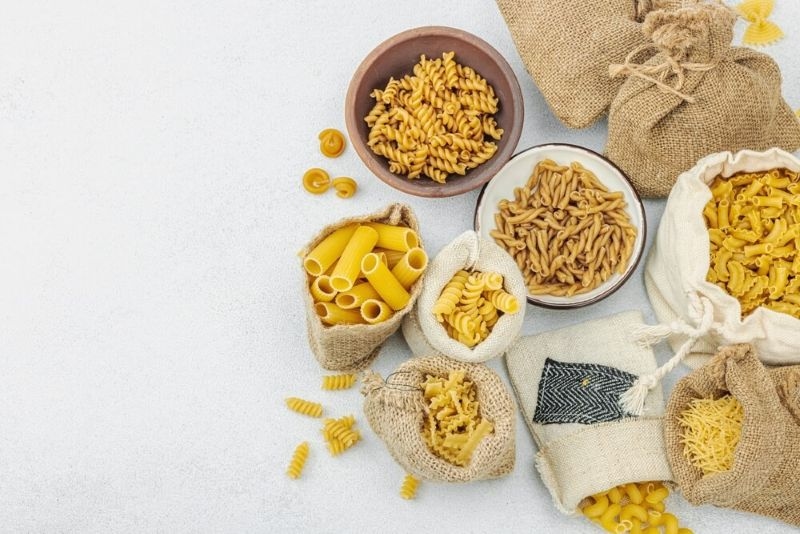
The artistry of pasta reflects regional identities and culinary achievements over time; through the centuries, it has been passed down, and each form and cooking method has a story. The history of Italian pasta-making can be seen in the methods used to create different types of pasta and in how pasta is incorporated into Italy's culture. Italy has several distinct pasta shapes that define the cooking style of the region where they are produced; in turn, each region has distinct dishes that reflect the creativity and tradition that ultimately result from mixing different ingredients to create a particular pasta shape.
There are thousands of pasta varieties in Italy, each representing different regions, traditions, and cooking methods. Although there are many ways, the region where pasta originated has a significant influence on its shape and flavor. The variety of pasta shapes and flavors is very large, too. In addition to this, the region from which pasta originates has a great influence on the shape and flavor of pasta produced. Every region produces a type of pasta that enhances the traditional flavors of the sauce it will be served with.
Geography affects the types of pasta produced in different regions of Italy. Because Italy is located along the coast, it makes sense that traditional coastal food would include seafood-based pasta, which is usually light, whereas most pastas from the middle of Italy are heavier and often include meat.
The northern parts of Italy use cream-based sauces and pasta made from eggs; the central region makes simple, rustic pasta from wheat; and the southern regions make pasta from durum wheat flour and tend to use tomatoes in their pasta sauces.
These variations lead to distinct regional pasta types; thus, each region of Italy is unique in its pasta shapes and varieties.
There are many traditional pasta shapes found throughout Italy, and each is representative of the local products of its region.
Each of these different shapes was developed specifically to hold a specific type of sauce, thus showcasing the different varieties of Italian pasta, excluding tortellini, ravioli, and gnocchi due to their complexity.
Even though the question of how pasta was first invented is open to debate, it is widely believed that by medieval times, pasta had gained a strong foothold as a "traditional" staple food of Italy.
At that time, there were three main components in making pasta dough: flour, water, and eggs. Families had been passing down "homemade" paste recipes from generation to generation, so there was much variation from one family's recipe to another.
Since then, as farming practices changed across Italy (including Sicily) and Italian traders established new trading relationships with other parts of the world, the methods and shapes of many different kinds of pasta began to develop in different areas of Italy.
The combination of these elements produced Italian pasta, and the way it was made, but as a result, pasta-making methods remain essentially the same today.
Italy has many regional pastas made with local ingredients, traditional cooking methods, and cultural influences. Each region of Italy creates unique pasta shapes and dishes that reflect its heritage, lifestyle, and the cultural importance of pasta to its people.
Pasta types and dishes vary by region throughout Italy, reflecting local ingredients, guidelines, and cooking methods that are part of the culture. Different regions have created their own pasta shapes and dishes in accordance with those areas' cultural backgrounds, lifestyles, and the cultural importance of pasta to people in Italy.
As a symbol of Italian culture, pasta is significant not just as a component of Italian cuisine, but also because it embodies Italian culture, unity, family, and special occasions. Many Italian families gather on Sundays for family dinners, with everyone eating spaghetti together. Generations have passed down family recipes that include pasta, which is part of your Italian identity. Whether you eat pasta every day for lunch or use it to celebrate an occasion, it holds the same cultural significance.
Every region in Italy has created a unique type of pasta dictated by its culture and its physical location. For example, lasagna originating from Emilia-Romagna contains many layers of pasta sheets filled with rich meats & cheeses; Penne Arrabbiata from Rome uses a spicy sauce that uses tomatoes as the base; Pasta alla Norma from Sicily is made up of eggplant & ricotta salata, while Trofie al Pesto from Liguria is made primarily from fresh basil as the basis for its sauce. Thus, these various types of pasta illustrate how specific Italian foods are defined by the ingredients and the region in which they come.
There are various types of pasta found in different regions of Italy, including regions such as:
Each region's unique pasta style contributes to Italy's wonderful culinary heritage and overall taste & personality.
At home, you can taste the varieties of pasta found throughout Italy through the use of authentic Italian shapes and matching them with appropriate regional sauces, as well as using fresh, high-quality ingredients to produce authentic-tasting pasta.
Cooking pasta "al dente" and following typical recipes from the many regions will allow you to recreate the true taste of Italy in your own kitchen.
Each type of pasta has a specific use in the Italian kitchen that yields the best results for the dish being made.
By choosing the right type of pasta to pair with the sauce you will use, you'll increase your enjoyment of the variety of Italian pastas available.
To get authentic Italian flavor and recreate these traditional recipes, you should:
The recommendations will help you create dishes that embody the thousands of years of heritage and culture of Italian cuisine.
By sampling many different types of pastas from different areas in Italy, you will learn different ways to cook Italian-style pastas, how to work with unique seasonal ingredients, how to find sauces that complement the different types of pastas, and how to enjoy authentic types of Italian-style pasta dishes.
The many types of Italian pasta exemplify the very essence of Italian culture, history, and regional influences, and showcase Italy’s various culinary styles. Italian pasta has been beautifully made over time using countless variations of its shape and the many different traditions associated with how pasta was made; therefore exploring both these regional styles of pasta and their preparation will allow you to fully comprehend how much creativity goes into producing the various Italian pasta varieties you will enjoy with every bite.
Italian pasta varieties differ regionally for various reasons, including climate, agriculture, and historical influences. Each region has its own local ingredients, pasta-making customs, and techniques. Thus, each variety reflects that region's unique identity, its cultural heritage, and the cooking traditions handed down through generations.
The shape of the pasta determines how the sauce will stick to it and how its flavors will be distributed. Certain thicker-shaped pastas will hold rich/tasty sauces better than thinner-shaped pastas, and vice versa; the combination of a thicker/thinner-shaped pasta with a rich/tasty sauce gives the dish more texture, balance of flavors, and overall taste; thus, the shape of the pasta is fundamental in traditional-style cooking as well as contemporary-style cooking.
Some lesser-known Italian pasta varieties include cavatelli, strozzapreti, and malloreddus. Each of these pastas, while often found in its respective region (e.g., cavatelli is predominantly used in the southernmost part of Italy – Calabria, and malloreddus is primarily found in the central part of Italy – Sardinia), also has unique characteristics when used in cooking. It will help you gain a fuller appreciation for the diversity of Italian cuisine and give you more flavor options than you are usually accustomed to.
When comparing fresh pasta versus dried pasta, there really is no right/wrong way to choose between the two. For general use, fresh pasta has a softer texture than dried pasta and works best with lighter sauces; conversely, dried pasta has a firmer bite and holds up to more robust sauces. Each type of pasta possesses its own advantages and disadvantages. Before selecting which to use, all factors must be considered: the recipe being prepared, the desired viscosity of the finished product, and how you plan to cook it (e.g., boiling, steaming, or roasting).
If you are just starting to explore different types of Italian-style pasta, the best thing you can do is prepare some traditional, regional Italian recipes while gaining experience with basic pasta-cooking techniques. This will give you a very good familiarity with the various shapes and types of pasta, as well as how to sauce them in various combinations. Over time, as you will find, preparing traditional dishes provides you with a better understanding of which ingredients to obtain to achieve the authentic taste and tradition of Italian cuisine.
This content was created by AI