

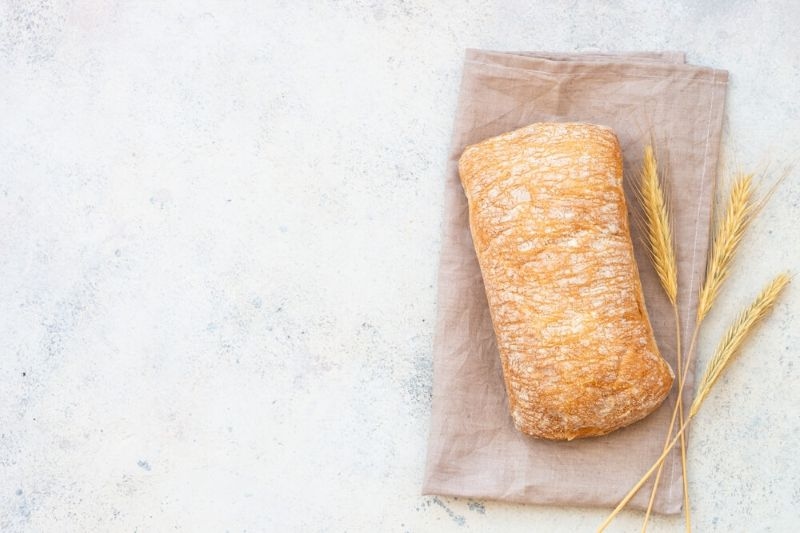
There are many different types of Italian bread that represent more than just a way to make something to eat; they also reflect the identity, skill, and history of the region where they were created. There are many types of Italian breads that reflect the unique baking traditions throughout Italy and the value of each to its people. Breads made with artisan or traditional methods will provide customers with an amazing taste experience with every single mouthful, as well as a link back to the artisanal tradition of making that type of bread.
Italian bread's uniqueness stems from its purity, its many regions (which yield diverse breads), and its legacy. Bread is made in Italy by bakers who have honed their craft through years of training, using local ingredients to create both rustic and sophisticated works of bread art.
Italy has hundreds of climate zones, and the breads reflect this. Regionally, you find very airy, light loaves on the sun-drenched shores, while the dense, hearty loaves are made in the cooler climates of Italy's mountains.
Each region produces its own locally grown grain and uses its own water to create a unique flavor in its loaves. As a result, when you travel a short distance, you will see a fundamentally different loaf style from the previous region you were just in.
The Italian perspective is simple: ingredients should be allowed to communicate with one another. Most loaves in Italy contain no more than flour, yeast, salt, and water.
By limiting the number of ingredients used in bread-making and allowing for slow, natural fermentation of the dough, bakers can extract the depth and complexity of flavors that are simply not available in processed loaves of "processed" or "fast" bread.
In Italy, bread is a vital part of the meal. It represents hospitality and is a witness to all family celebrations and gatherings. It not only serves as "food" but also represents love as well as the bond between people during every meal.
Italian bread comes in a wide variety of shapes and textures, each unique to the region from which it originates. Here are some key facts about Italian bread to help you get started on your journey to find your favorite Italian bread:
Also known as "slipper bread," it is a great choice for anyone looking for a rustic-shaped loaf. It's known for its large holes, a crispy exterior, and a soft interior. This bread is perfect for dipping into high-quality olive oil and making great sandwiches.
Italian flatbread with a dimpled surface, drizzled liberally with olive oil and sprinkled with herbs. Focaccia is the quintessential Italian artisan snack food and is usually served as an appetizer.
From Tuscany, this bread is well known for being "salt-free" due to Italy's long history of salt shortages and the salt taxes historically applied to it. Toscano has created its own unique flavor, enhancing the salty Italian meats and cheeses.
The bread of Altamura is made from durum wheat flour, has a very thick crust, and has a very long shelf life. The PDO designation for bread celebrates the cultural heritage of the Puglia region.
Grissini are thin, crunchy Italian breadsticks that can be used as an accompaniment to any Italian appetizer.
With a little patience and understanding, you can reproduce these artisan foods in your own kitchen.
An authentic Italian recipe is based on time, and there aren't any complicated machines involved. The dough needs plenty of time to ferment, which allows for a unique development of texture and flavor through time, and you can replicate that professional texture and depth of flavor at home with time alone.
It's essential that you use high-quality ingredients when making artisan-style bread. Because there are so few ingredients in an authentic Italian recipe, obtaining the highest quality is critical to achieving authentic Italian taste.
To achieve an authentic Italian flavor in your bread, use:
Every loaf has a personality based on where it was made or how it was produced. Therefore, to replicate an authentic Italian flavor, you must understand the techniques that shape it; for example, a Ciabatta is made with a high-hydration dough, and Southern Italian breads are made with durum wheat flour.
Always remember that bread is meant to be shared. In Italy, a fresh loaf of bread should always be eaten with family and friends, during a long social event such as dinner.
Making these classics at home really isn't as difficult as it appears. Use quality ingredients and authentic cooking techniques, and you will be pleasantly surprised by what you can create.
Ingredients:
Preparation
Note: The apparent high moisture content creates beautiful air pockets in your ciabatta.
You will need:
To make your dough:
During the shaping process:
To Serve:
For the Saltless Bread:
Ingredients:
Directions:
Italians view bread as a vibrant mosaic that represents the spirit of their culinary richness. Whether it is a simple loaf of table bread or a complex one made with fermented dough, Italian breads showcase the pride and heritage of the Italian regions. When you embrace the traditional methods used to make Italian breads and use quality ingredients in your home bakery, you are participating in an age-old cultural practice, not just creating bread.
The combination of high-heat baking and steam creates a sturdy crust that acts like a protective shell. This traps moisture inside to keep the crumb soft while developing a rich, crunchy exterior that stays fresh longer.
It’s a mix of nature and nurture. Warmer climates often lead to faster fermentation and lighter textures, while cooler areas might produce denser, hardier loaves. Local flour types and water mineral content also play a huge role in the final "feel" of the bread.
Artisan bread is a slow, hand-made process with no additives. While commercial bread is made for speed and shelf-life, artisan Italian bread emphasizes long fermentation, making it easier to digest and far more flavorful.
Absolutely! Start with something forgiving like Focaccia. The most important thing for a beginner is patience; give the dough the "proofing" time it needs, and don't rush the process. Your confidence will grow with every loaf.
It is the glue that holds the Italian family together. Baking and breaking bread together is how heritage is passed down from one generation to the next. It’s more than a recipe; it’s a way of life that celebrates family, history, and the joy of sharing a meal.
This content was created by AI